Why we're going to World of Coffee
Next week we're heading to Brussels for World of Coffee. Partly because we're wannabe coffee snobs. Partly because we've recently worked with some of the most exciting brands in the industry. And partly because there are few industries as interesting as specialty coffee. That mix turned a hobby into something we genuinely love working in, so we're excited to meet more of the people powering it.
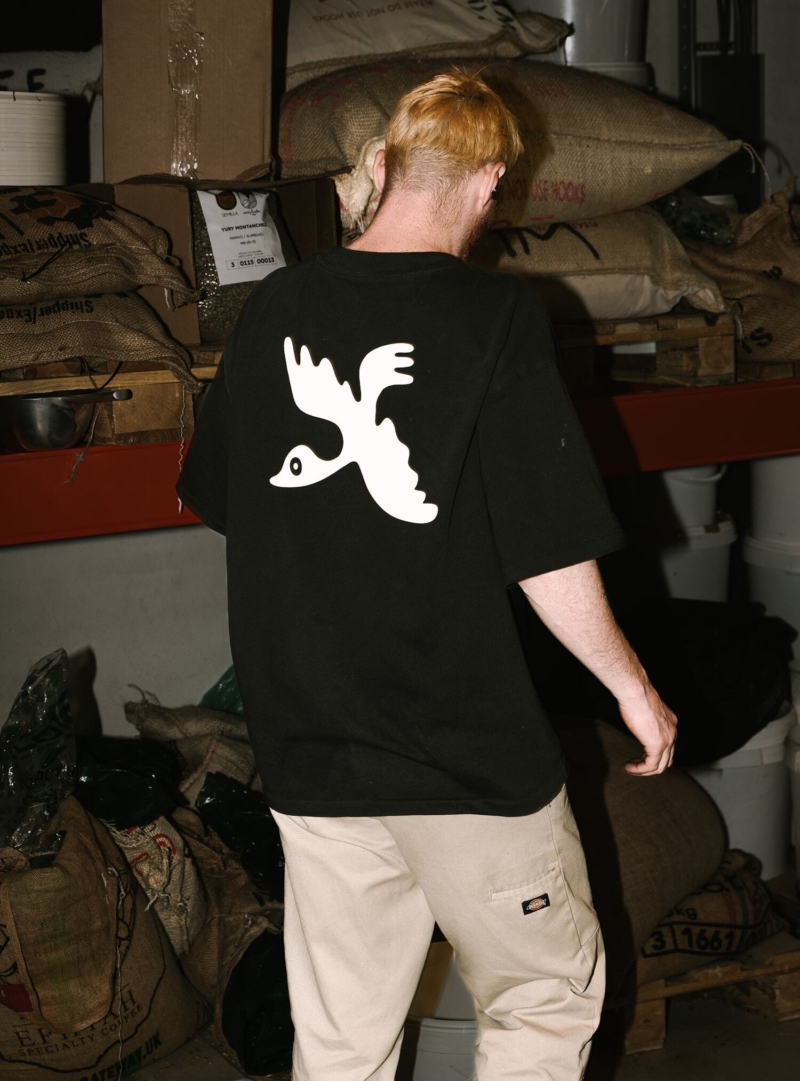
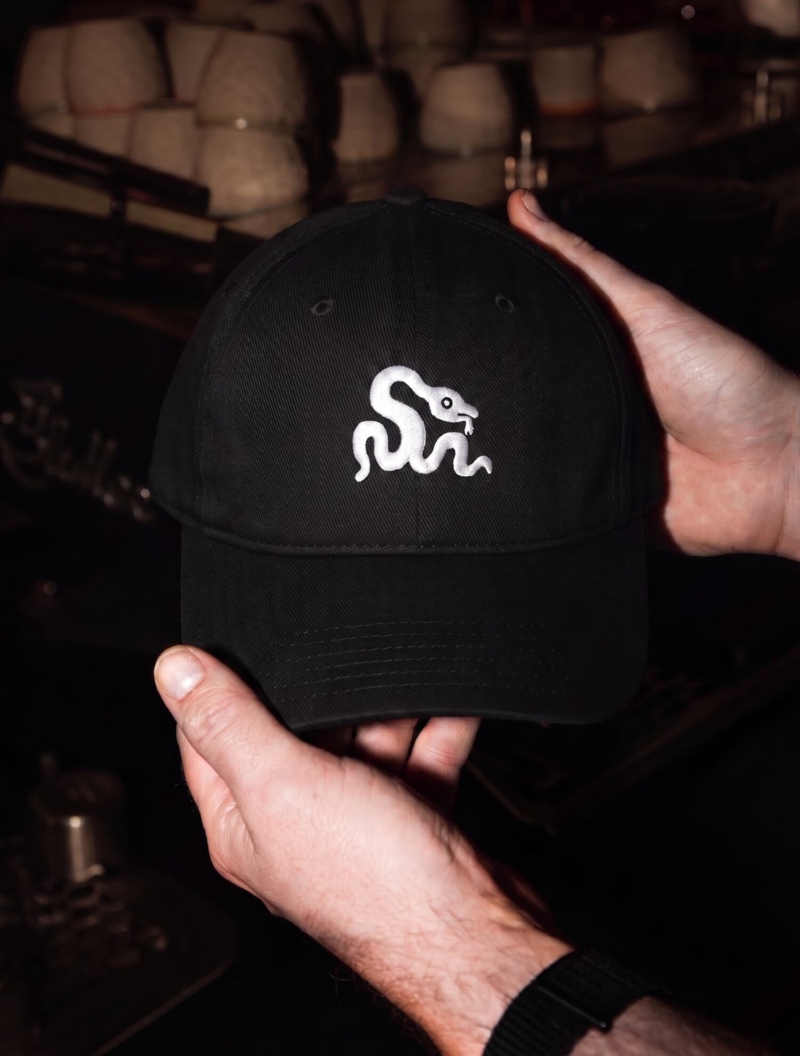
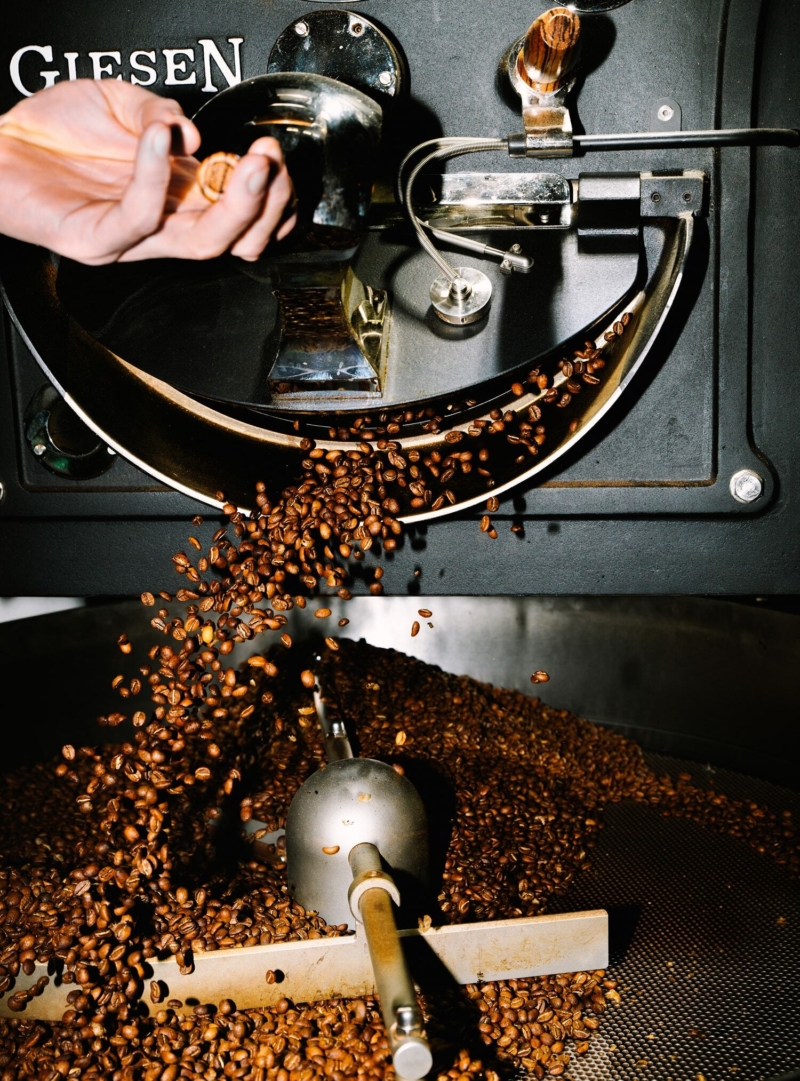
Why our interest grows
On the surface coffee seems simple. You grow it, roast it, grind it, brew it and drink it. But the deeper you go, the more complex it gets. One conversation is about water pressure and extraction curves, the next about consumer psychology, packaging or the future of global production.
From a positioning and branding perspective, almost every kind of market lives inside this one: the technical side of the machines, the B2B wholesale, the thousands of coffee shops and running through all of it: taste. Probably the most debatable element and the hardest to pin down. That's the mix that pulls us in: precise and technical on one side, completely subjective and emotional on the other.
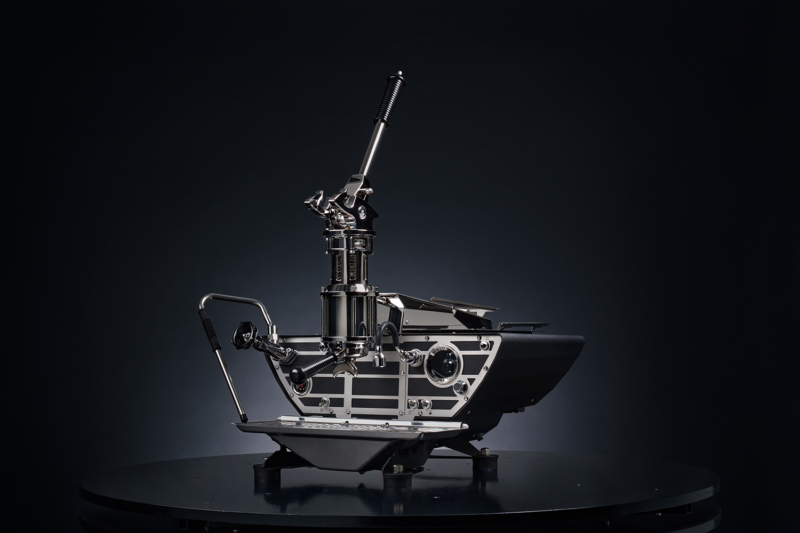
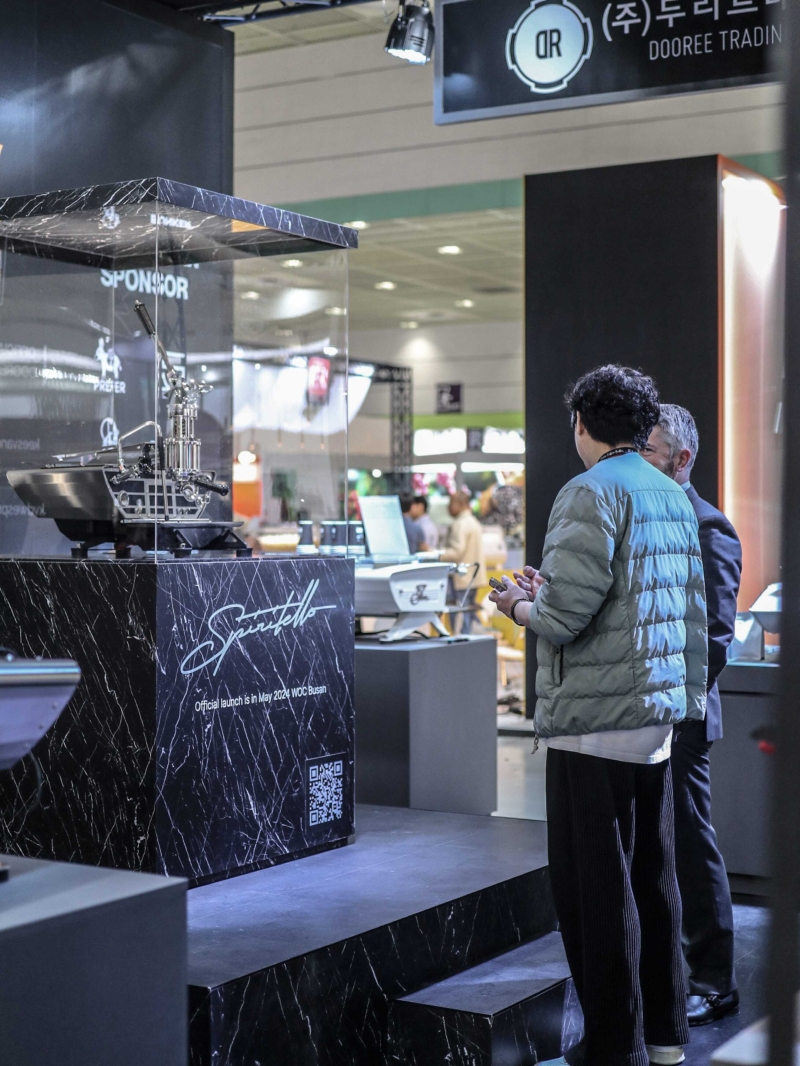
Over the past years we've spent a lot of time studying the competitive landscape, while working on the rebrands of Sprout and Kamu and sharpening the Kees van der Westen brand. What struck us most wasn't how competitive the industry looks on paper, but how supportive it feels in practice. People share what they know, they challenge each other and they obsess over quality. Strong opinions on just about everything, and still a real sense of community.
At the same time the industry faces serious challenges. Global coffee consumption keeps growing, while climate change, rising prices and pressure on supply chains are forcing companies across the value chain to adapt. Demand for specialty coffee keeps expanding, and so does the need to stand out.
The generation question
Another shift we keep coming back to is Gen Z coming of age. A lot of the coffee brands people respect most were built across the 2000s and 2010s. Blue Bottle, Coffee Collective, The Barn, La Cabra and others defined a whole era of specialty coffee through minimalism, craft, transparency and the origin story. It worked because those things were still rare and because the people they were talking to, mostly millennials, were sold on expertise and the promise of 'better', more unique coffee.
The open question is whether the next generation is buying the same pitch.
The popular answer goes roughly like this: Gen Z takes quality and ethics as a given, so origin stories and farmer-focused content don't carry the weight they used to. What they want to know is what role a brand actually plays in their life, and whether they can feel that rather than read about it. For a lot of established brands, the job shifts from proving quality to proving relevance.
It's a tidy story, and we're a little suspicious of how tidy it is. For one, "Gen Z" is carrying a lot of weight in that sentence. Almost the same thing was said about millennials fifteen years ago, and "this generation wants authenticity" is a line every category reaches for the moment a new group gets spending power. It flattens a lot of real difference into one neat narrative.
The less exciting explanation might also be the more accurate one. Maybe this isn't a generational thing at all, but a category growing up. Once craft, transparency and a good origin story become the baseline everyone offers, they stop setting you apart, no matter who's drinking. Differentiation moves toward meaning and relevance because the category matured, not because a generation demanded it. We don't know yet which reading holds up, and that's part of why we're going.
For us, that's what makes coffee one of the most interesting industries to watch from a branding perspective. Because in the end, very few companies compete on coffee alone. They compete on taste, on experience, on what they believe, on culture and on the stories people tell themselves when they pick one brand over another.
So there will be a lot we'll be paying attention to during World of Coffee. Mostly, though, we're just going to meet people. If you're going to be there, let us know. We would love to meet you over a (specialty) coffee.
Rik Dijkhoff
Strategist